
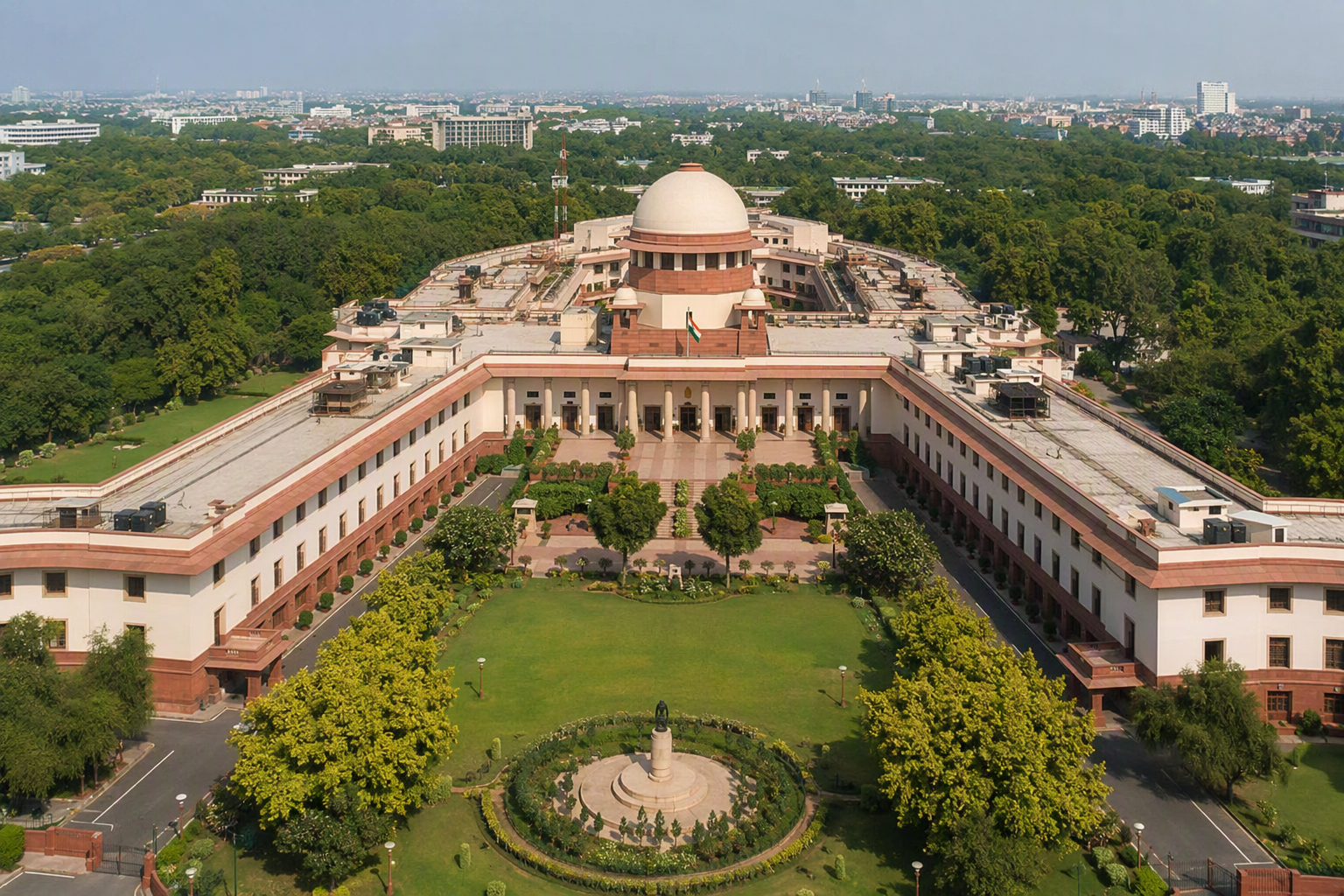
Key Highlights
- The Supreme Court Bar Association vs Union of India case looked at contempt of court and the power of the supreme court.
- The big question was if the jurisdiction of the supreme court lets it stop a lawyer from working.
- The court said there is a line between punishing someone for contempt of court and checking if there is professional misconduct.
- The judges told everyone that only bar councils, not courts, can take away a lawyer’s right to practice under the Advocates Act.
- This decision showed what each group can do and helped keep a fair process for lawyers.
- People still talk about this case today when they think about the courts act, legal ethics, judicial power, misconduct, the role of the supreme court bar association, and the supreme court in India.
Introduction
The Supreme Court Bar Association vs Union of India is an important case for the Supreme Court of India. The case focused on what the supreme court can do about contempt, especially when it involves lawyers. The big question was if the supreme court can punish someone for contempt and also stop a lawyer from working for a while.
The supreme court bar association did not agree with this. They said that only the Bar Council of India can do this, because the Advocates Act gives them the power. This problem between the supreme court and the bar council about what they are both allowed to do became a major part of the whole case.
Key Facts and Background of the Supreme Court Bar Association vs Union of India Case
The background of this case is about criminal contempt of court against advocate Vinay Chandra Mishra. He was found guilty of contempt of court. He used rude, threatening, and angry words. These words got in the way of justice. Because of this, he was charged with criminal contempt.
After the order stopped him from practice for some time, the supreme court bar filed a writ petition against the union of india. The main point they made was clear. They said any punishment for professional misconduct should happen under the advocates act. The supreme court should not give out punishment right away using its own powers in contempt or under the courts act.
Parties Involved and Chronology of Events
The Supreme Court Bar Association and the Union of India were the main parties involved in this case. Everything started with a case of contempt of court involving Vinay Chandra Mishra. The Supreme Court Bar Association, helped by its Honorary Secretary, filed a petition. This happened after the court gave a contempt order, which stopped Vinay Chandra Mishra from practicing for a set period.
Here is a simple chronology of the key events:
| Party/Event | Details |
|---|---|
| Contemner | Vinay Chandra Mishra, an advocate |
| Earlier finding | Guilty of criminal contempt for threatening and overbearing conduct |
| Initial punishment | Simple imprisonment and suspension from legal practice for three years |
| Petitioner | Supreme Court Bar Association through its Honorary Secretary |
| Respondent | Union of India |
| Judgment date | 17 April 1998 |
The main thing was not just the dates, but also how things took place under the law. The petition asked if the supreme court can hear a contempt case and go straight to taking action on someone’s job. A district judge or another court of law would not do this. The petition also asked if the supreme court needs to follow the steps set by law before moving from contempt to making job decisions.
Context Leading to the Dispute
The argument began because a past contempt of court decision did more than give a punishment. It also stopped the advocate from working as a lawyer. This made people think about a new issue. Was the court only giving a punishment for contempt, or was it really saying there was professional misconduct without using the right law or steps for that? The questions about contempt and misconduct became mixed up. Many wanted to know if the court had used the right way to decide on the advocate’s actions.
This difference was the main reason for the case. A court of record has the power to look after the administration of justice. It can also punish people for contempt. But, the Bar Council deals with matters like misconduct of advocates. It does this by following its own rules.
That fight over the roles helped things move forward. The supreme court bar association said the contempt power is not the same as the bar council action. This means that even when there is contempt in the supreme court, the supreme court bar still needs to follow the Advocates Act and go through the bar council steps when it comes to the lawyer’s license. The lawyer must also have a fair hearing.
Main Legal Issues Examined by the Supreme Court
The big legal question was if the Supreme Court has the right to deal with some things in a contempt of court case. When the Supreme Court is looking at a contempt of court case, can it also take away the right of an advocate to practice by stopping their license? People want to know if Articles 129 and 142 of the Constitution of India give the Supreme Court this power.
A second problem came up after that. Did the court’s big power to give complete justice let it leave out the steps in the Advocates Act and the courts act rules? These things changed how people thought about the next two parts.
Jurisdictional Powers of the Supreme Court
The court checked what it can do as the highest court and as a court of record under the Constitution of India. It said that being able to punish for contempt comes from its own status. This power is not given by just normal laws. That is why high courts like the supreme court in India keep the power to punish for contempt. They keep this power because they are courts of record.
The judgment made a clear point. The court has inherent jurisdiction to deal with contempt. But this does not mean the court can get new powers to control a lawyer’s license. The court said Article 142 is meant for complete justice. At the same time, the court said it cannot use it to go against substantive law or ignore any law that is already there.
That moment changed everything in the case. The supreme court said it had the power to punish people for contempt. The court can do this by sending someone to jail or telling them to pay a fine. But the supreme court will not be the main group to deal with professional misconduct. That work is still with the bar council as set by the Advocates Act. The bar council is the group that takes care of lawyer misconduct.
Rights and Responsibilities of Advocates in Contempt Proceedings
For people who support lawyers, this ruling was a strong message. The court made it clear that lawyers are still fully responsible if they do something that counts as contempt of court. This is true, especially when their actions harm the administration of justice. At the same time, lawyers have rights under the Advocates Act. The court said that these rights cannot be taken away when there are questions about their professional discipline.
The judgment said that any action that stops a lawyer from working must follow due process. The lawyer should have a reasonable opportunity to be heard. This is important because contempt and professional standards are related, but they are not the same thing in law.
Key effects on advocates include:
- If an advocate is found guilty of contempt of court, the court still has the right to punish him for that contempt.
- The bar council often needs to follow the steps in the Advocates Act before it can stop someone from practice.
- The bar council is the one who looks after the rules for professional standards. These rules are not just set or managed by doing with basic contempt orders.
Arguments Presented by Both Sides
The arguments showed two ideas about how much power judges should have. In the writ petition, the supreme court bar said that only the groups made under the Advocates Act should have the power to do something against advocates. The supreme court bar also said this power should not come from contempt cases in the supreme court.
The Union of India said that the court should have strong powers for big contempt cases. The main discussion was not just about how bad the misconduct is. It was about who should act when something goes wrong. They asked if the court can give a decision to suspend someone even when there is an order of the Bar Council of India.
This is an important issue in India. People talked about what the Bar Council of India can do and when the court should get involved in contempt or misconduct cases. The Union of India and the Bar Council both want to find the best answer for how to handle suspension and keep things fair for all.
Supreme Court Bar Association’s Position
The Supreme Court Bar Association, through its Honourary Secretary, said the last suspension was more than what the law lets happen. The association shared that the supreme court’s power over contempt does not give it the right to stop or suspend an advocate from practice because of professional misconduct. It pointed out that the supreme court should not use its contempt powers in this way against an advocate’s misconduct. The supreme court bar wanted any suspension or ban on practice to happen only by following the rules for professional misconduct, not just using contempt as the reason.
The text said that the Advocates Act gives the bar council the power to handle these kinds of problems. The Act says that bar council disciplinary groups will look at all the proof. They will listen to the advocate and then decide what to do. If the misconduct is serious, they can remove, suspend, or give some other punishment to that person. The association said that a quick contempt process cannot take the place of how things are set up right now with the bar council under the Advocates Act.
The group did not feel that Article 142 or the appellate authority could help with this action at first. It said that the supreme court should not act like a disciplinary body with original jurisdiction only because the advocate caused contempt in front of the supreme court.
Union of India’s Submissions
The Union of India said that courts in India need to have more power for contempt cases. They believe the supreme court must get involved and act if someone does not respect the court in a big way. This is needed so justice stays safe and the court keeps respect. The power also helps the supreme court keep its dignity and do its work well.
This idea comes from Articles 129 and 142. It says the court can take strong steps in a contempt case, like suspension, if needed. How serious the contempt was made the court think it could do more than just the penalties that the courts act usually has.
The last decision did not support the whole idea. The court knew that having contempt powers is important. But it also said that only the Bar Council of India has the power to stop someone from practice. So, even if the petition showed the point well, the rules made by law and the Bar Council ended up being followed in India.
Conclusion
The Supreme Court Bar Association vs Union of India case is a key point for law in India. In this case, the Supreme Court looked at what powers it has. It also talked about the rights and duties of lawyers when there is talk of contempt. Both the sides shared strong points. These points showed the close link between lawyers and judges in the supreme judiciary.
This big case gives advice for the future. It shows why people in the legal field must know their duties and what may happen if they do not follow them. If you want to know more about the supreme court bar association or this case with the Union of India, feel free to ask!
Frequently Asked Questions
Why is the Supreme Court Bar Association vs Union of India a landmark case?
The Supreme Court Bar Association vs Union of India is a key case. This case helped make things clear about how far the supreme court’s power over contempt can go. It showed that giving out punishment for contempt is not the same as taking steps to fix how advocates act. The court said these are two different things. Each has its own steps to follow under the law.
The supreme court bar also did a lot in this case to help answer questions about contempt in india. The court’s decision made it easy to see how the supreme court and the union of india will deal with these things in the days to come.
What precedent did this case set for the legal profession?
This case made it clear to the legal world that the supreme court can give punishment for contempt. But if it is about professional misconduct, it should mostly be handled under the Advocates Act. This means there is a process that protects everyone’s rights. So, when it comes to any type of misconduct or suspension from practice, groups set up by law should handle it. It should not just be a quick decision for contempt from the supreme court. This helps make sure punishments are fair and follow the right steps.
How does the outcome affect advocates found guilty of contempt?
Advocates who are found guilty of contempt can still get punished by the court. But if the right to practice law is at risk, they must get a reasonable opportunity to explain. This happens before the bar council. The disciplinary committee of the bar council will also be involved in this. All of this must be done by using the proper rules.

