
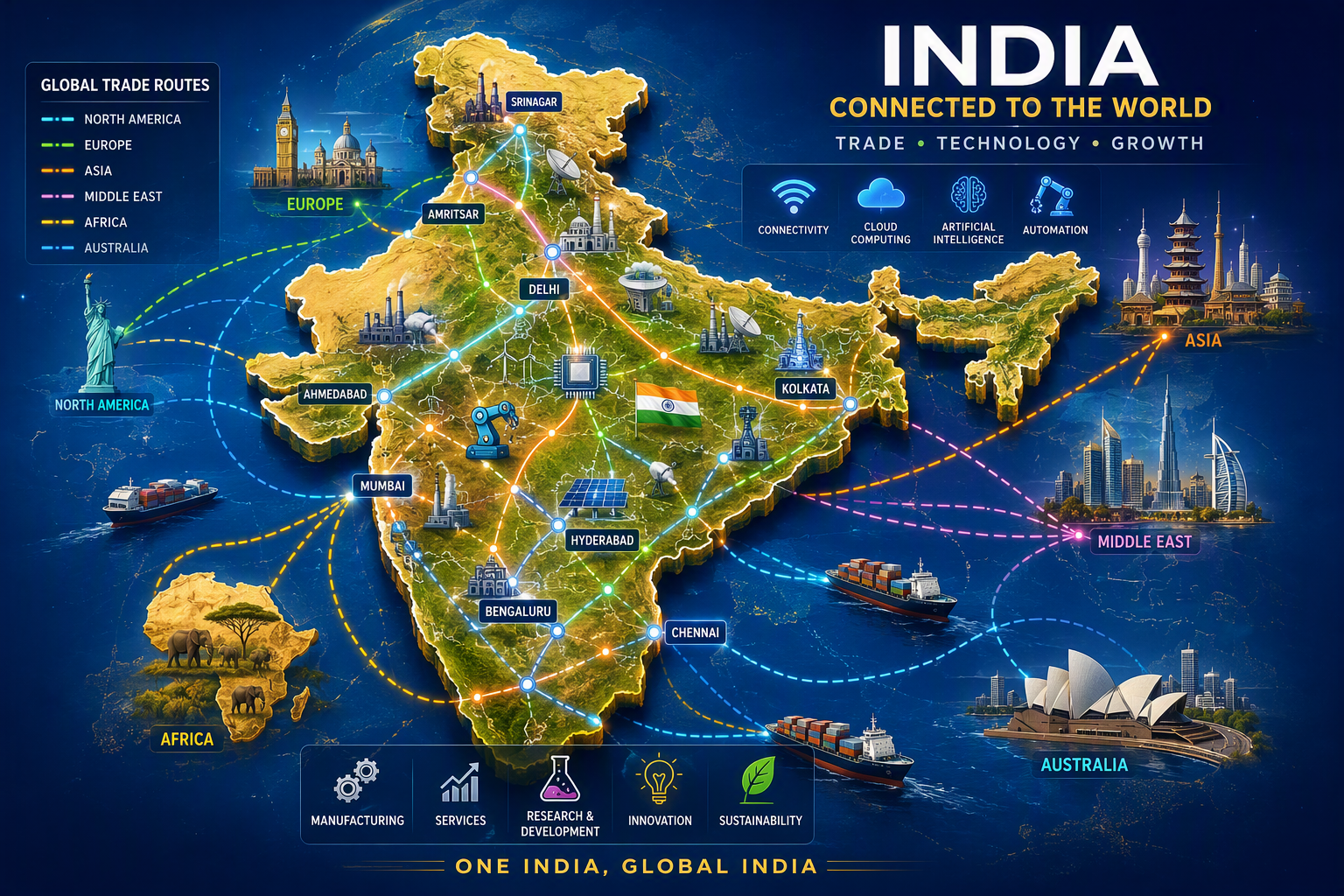
Key Highlights
- The 1991 economic reforms made india’s economy connect more with the world economy. This change came because of globalization.
- It helped economic growth by bringing in more trade, more exports, and foreign investment to many areas.
- People got more employment opportunities because of it services, outsourcing, export processing zones, and special economic zones.
- Foreign companies and multinational companies increased competition, gave more choices for people, and helped with business development.
- Big changes came in infrastructure, how cities grew, and people’s living standards—mostly in the major cities.
- But, there were also some negative impacts. These included more inequality, changes in the labor market, and progress in some sectors that was not even.
Introduction
Globalization has played a big part in changing india’s economy over the last few decades. It made trade easier. Foreign investment came in fast. India now links closely with the world economy. When india made these ties, there was more economic growth. A lot of industries also changed how they work. Today, you can see the impact of globalization in the jobs people get, in cities, in what people buy, and in how business is done. Even with all these changes, there are both good things and some worries because of globalization. That is why knowing the full impact is important for all of us.
Understanding Globalization and Its Relevance to India
The term globalisation is about making a country’s economy connect to the world economy. In India, this means there is a growing interdependence of the world. You can see this when things in other countries can change trade, jobs, money put into new business, and the way companies decide what to do at home.
Economic reforms were important for india’s economy. These changes made it easy for foreign companies to enter the market. The market got bigger and there were better links with other countries. Because of this, india’s economy could join global production and services. The world now wanted more from india. All these things came together to help economic growth and change how the economy worked for many years.
Definition and Key Features of Globalization
The term globalisation means that one country’s economy mixes with the world economy. This is not just about trade. It means people, companies, and governments from many places can connect. In a simple way, it helps the world become more linked with fewer borders.
One big change in recent times is that goods, services, ideas, and money can move easily from one place to another. Better ways to get around and faster ways to talk to people make this possible. Because of this, things now move fast. Distance is not a big problem now. This has helped global trade and how people exchange things to grow a lot.
Another key thing is how countries need each other now. Today, they do not grow on their own. Economic growth in one place can have an effect on other areas too. For India, this led to getting closer to the world economy. This happened by making reforms, using new technology, and building more business ties. These steps helped shape domestic markets and gave people more chances.
Why Globalization Matters for the Indian Economy
Globalization is important because it changed how india’s economy connects with the world. It gave india more ways to reach other markets. People and businesses in india got more money, new ideas, and ways to work. This helped some companies in india grow past local needs. It also helped india’s economy do better in world trade.
You can see the benefits of globalisation in many parts of life.
- Foreign companies came to India. This made competition go up. People got more choices in products. It also made companies do their work better.
- Indian businesses got a chance to go into new markets. They could sell more products to other countries.
- More cross-border links helped economic growth. It also made business development better.
Globalization has changed how people in India earn money, work, and spend. It allowed many people to move up to the middle class and enjoy a better life, mainly in cities. If you want to know how and why this happened, you need to look at the steps India has taken since 1991.
The Journey of Globalization in India Since 1991
India’s move toward working more with the world started in 1991. At that time, there was a severe balance of payments crisis. This problem led the country to begin major economic reforms. The main aim of these steps was to open markets and make them better. These changes also wanted to connect India’s economy with the world economy even more.
From then, it was easier for foreign companies to enter. Trade started to grow more. There were new changes in some big fields. Information technology, making things, and services all began to change in some way. The next parts will talk about the reforms and the new changes in these industries that helped make this happen.
Major Economic Reforms that Opened India’s Markets
The big economic reforms in 1991 helped india’s economy join the world market. These steps made india open for global competition and brought in new investment. Liberalization and privatization took away many rules. This let private companies do more. After these changes, it got easier for businesses to trade, bring in goods, send goods out, and work with global partners.
Foreign direct investment started to be important in India when the country allowed more money from other countries to come into big industries. India also began to take a bigger role in the world trade organization. This made India more involved in world trade. At that same time, export processing zones helped increase production. They also made new jobs for people in jobs linked to exports.
| Reform Area | Impact on India |
|---|---|
| Liberalization | Reduced controls and opened markets to domestic and foreign competition |
| Privatization | Expanded the role of private business in growth and investment |
| Foreign direct investment | Brought capital, technology, and global business practices |
| World trade organization links | Strengthened India’s role in global trade rules and exchange |
| Export processing zones | Encouraged exports and supported employment opportunities |
Sectoral Transformations: IT, Manufacturing, and Services
After 1991, India saw a big change in how the different sectors worked. This was because of globalization. Information technology began to grow very fast at this time. There was better communication and more need from people all over the world. This led to more jobs in software development and IT services. Because of this, India became one of the top places where advanced countries looked for work to get done.
Manufacturing started to change when foreign companies came into the market. There were more companies, so the competition grew. Indian firms had to make better goods to keep up. They had to work on their prices too and look for new ways to make things. Services grew faster. A big reason for this was the outsourcing of jobs. Many jobs done by people in other countries were now done here.
Some major examples stand out:
- IT and software development began to bring in a lot of money from other countries.
- Manufacturing made good progress because of help from other countries and being able to sell in new places.
- Services such as call centers, support for banks, and record keeping grew as more people chose to send these jobs out to others.
Main Factors Driving Globalization in India
Several events pushed globalization forward in India. The country made economic reforms and updated its policies. This helped lower trade barriers. India started to work more with other countries in business. Foreign companies and foreign investors began to see India as a good place to trade and make products.
Better transportation, quicker ways to talk, and growth in information technology have brought India closer to the world economy. These things worked together, so globalization was not just from one set of rules or plans. It also happened because of new technology and the way people do business around the world now.
Policy Changes and Liberalization Measures
These new rules changed India and helped it grow around the globe. The business steps made sure the country could open up well. As India brought in the changes, these rules also helped everyone, not just let others join but got new companies from other places too. Because of these steps, both new and foreign companies could get started here. They got access to areas which were tough to step in before.
The crisis in 1991 made it important for India to get outside help and make some changes. The international monetary fund was a big part of this plan for change. When India began to follow world trade practices and joined the world trade organization, it became much easier and more clear for people and companies to do business with other countries.
Key policy drivers included:
- Markets are now more open. There are less rules that keep people from doing business.
- There is more room for foreign companies and money from other places to come in.
- Big world groups and their change plans help countries trade more with each other.
These changes helped India grow. The country is now more competitive in the world. India is also better connected with other places. It has become a good place for people to invest their money.
Technology Adoption and Integration with World Markets
Technology has grown a lot in recent times. Because of this, it is now easy to move things and people from one place to another. There have been big improvements in how we travel. At the same time, technological progress has made talking and sharing between India and other countries much quicker. This means trade, working together, and giving service are much smoother now.
A clear example is information technology. Fast growth in information technology let Indian companies help people from many other countries. It also let them do more work and help business development in many ways. Now, software services, call centers, and digital support connect India with what the world needs.
This change helped india’s economy connect more with the world. Foreign companies found it easier to work with Indian providers. Indian firms could also grow and do their work in other countries. Here, technology was not just a handy tool. It turned into a big reason for globalization.
Significance of Globalization for India
Globalization is important because it helped india’s economy grow beyond its borders. It made trade better and brought in more foreign investment. It also joined india with people who make things and people who buy things in other places. This has given india more ways for economic growth.
It also changed how the world thinks about India among other developing countries. With more exports and better services, India grew its business networks. This made India speak up more in world trade talks. At the same time, talks with developed countries brought new chances. These talks also added some pressures that helped shape what India chose to do next.
Enhancing Economic Growth and Standard of Living
One big gain from globalization is that it brings faster economic growth. After the reform time, India had better GDP growth and more exports. Foreign investment came in and helped many industries and services grow. New business links also made people and markets work more and earn more money.
This growth helped make life better for many people. There were more employment opportunities in the cities. A lot of jobs came from services that used outsourcing. Jobs like record keeping, banking help, and business processing gave many people work in the growing workforce.
The improvement can be seen in a few clear ways:
- There are now more jobs. People in the country have more money in their homes. They can buy more things.
- Foreign investment helped companies to grow and be better. This made more business and work for people.
- India is now stronger among developing countries. This is because there are more exports and services.
These gains gave people a better life. They also made the market bigger for people who want to buy and sell things.
Advancements in Infrastructure and Urbanization
Globalization has brought big changes to how cities grow. Now, there is more business in big cities. Trade and services got bigger, so cities made more offices. They also improved their transport and built fast ways for people to talk and share information. New places for shops and work were made too. All these things have changed how people live and work in the cities.
Urbanization showed that people had more money and wanted to buy more things. Many cities saw life get better for the people living in them. There was a rise in business development too. All these changes helped india’s economy move forward during the time of globalization.
Better exports and money that comes in from other countries help the country do well with money. This also helps the foreign exchange reserves grow. The world bank and other groups take part in the development of the world. This change is tied to what these groups do. In practice, globalization means that building roads and power plants goes together with the growth of the economy.
Impact of Globalization on Key Indian Industries
Globalization changed many big industries around the world. It led to more competition and bigger markets. It also brought in new money. Indian companies had to learn and follow global standards. At that time, foreign investors and multinational companies brought in new ways to work, more capital, and better technology.
This change in the economy did not happen the same way everywhere. Some parts of the economy, like services and IT, moved fast. But others, like farming, changed slower and not as steady. To really know what is going on, it is good to look at how money was put into these areas and see what happened across all parts of the economy.
Role of Foreign Investment in Shaping Indian Industries
Foreign investment helped India be more open to the world. It brought money, business know-how, and links to other countries. Foreign direct investment made it simple for companies. Now, they can grow, improve the way they work, and reach people in other countries. This has changed the way things are made and the way people get services in India.
Indian companies got better when they worked with foreign companies and multinational companies. Tata Motors and Infosys are two that did well from these global partnerships. These ties helped them go up against others. They also helped them grow outside India.
Its role can be summed up in a few points:
- Foreign investment helped many key industries grow. It also brought in new technology.
- Multinational companies brought more competition. They gave people more choices when it comes to products.
- Indian companies got help by working with others. They learned new things and could get into more markets.
This made money from other countries a big reason for change in the industry.
Effects on Agriculture, Manufacturing, and Service Sectors
The effects of globalization were not the same in each sector. In agriculture, contract farming helped farmers to make more money. But, the information shows that agriculture did not improve as much as the manufacturing and service sectors did.
Manufacturing got better with the help of stronger trade links, export processing zones, and foreign companies. This made it possible to make more goods for large markets. Workers and companies had to work smarter and faster. People could get more products, and there was more competition between consumer industries. This gave everyone more options to choose from.
The service sectors in India changed a lot. India became one of the best places for things like software services, legal advice, banking services, music recording, book transcription, film editing, and computer service. These jobs helped many people get work in the country. Indian companies also got the chance to work with people from other countries who need these services.
Challenges and Issues Associated with Globalization in India
Globalization gave the world some clear gains. But, it also led to some negative impacts. Some places and parts of the economy did better than others. Because of this, there was more inequality. Some workers in the labor market felt more pressure at work. In indian society, not everyone saw gains happen at the same time. Not all people gained the same amount in the end.
India’s shift began after it went through a severe balance of payments crisis. There was a strong need to act fast, so the reform came because of both the need and the chance to do so. This is why the talk about this shift is important. The next parts cover job changes and some bigger worries in society that come with globalization.
Employment Trends and Labor Market Shifts
Globalization has changed the way people look for work in India in many ways. There are now more employment opportunities than before. The number of new jobs has gone up because of export processing zones, outsourcing, and the rise of services. A lot of these new jobs are in cities. Urban service businesses see the most jobs because there is higher demand from people all around the world.
Cheap labour was a big reason why many overseas businesses wanted to come to India. Companies from other countries sent work to India because it cost less. Better ways to talk and share news made this even easier.
This helped give more people jobs. But most of the new jobs were only in some sectors and not in all areas.
Some clear labor market shifts include:
- There are more jobs now because of the outsourcing of jobs and support services.
- There are more work now in call centers, IT services, and places where people do different processing jobs.
- Not all jobs grow the same rate. There is faster growth in services than old kinds of work.
So, because of globalization, people now have more jobs they can get. At the same time, it changed who will get the most out of these jobs.
Addressing Inequality and Socio-Economic Concerns
Inequality is a big problem. The information says that market-based globalization can make the gap between countries and people wider. This is because big companies, some cities, and groups with more education, money, and connections to the world get more. They often get these benefits faster than others.
These problems with money and the way people live are big for indian society. When world brands come in, old local service providers can lose their power. The changes in daily life, how people use credit, and some parts of business growing faster than others make life harder. A good example is farming. It did not grow as much as services or making things.
Economic policy still has an essential role in shaping how much people save, work, earn, and invest. This matters because developing countries want to grow, but they also want to be fair to their people. Developed countries often get better chances in the market. But India has to keep working on fixing inequality if globalization is to be good for most people.
Conclusion
The Indian economy has changed a lot because of globalization in the last few years. You can see these changes in many areas, and they have helped growth. Since 1991, big economic reforms let in more foreign investment and new technology. This change has made India more open to the world and different markets. But, there are some problems with this. Jobs are changing, and there are bigger gaps between rich and poor people.
As globalization keeps going, we need to know what is going on in India. This is important so we can handle new challenges and make good choices for what comes next. If you want to know how the indian economy and globalization can help your business or your area, feel free to ask for a consultation.
Frequently Asked Questions
How did economic reforms contribute to India’s globalization?
Economic reforms made it easy to enter new markets in India. They cut down many rules and made it simple for foreign companies to set up and do business here. These changes led to more foreign direct investment. They also helped India build stronger links with the world trade organization. Because of all this, there are now more employment opportunities in trade, services, and many new industries.
What are notable examples of globalization affecting Indian agriculture?
In farming, contract farming began to help farmers earn more money. The point was to connect farm work with the market. Still, farming did not grow as fast as other parts of the economy. If you look at export processing zones or services like music recording, people in farming did not see large increases in their income. This was true even when farming had links with developed countries all around the globe.
How has globalization changed job opportunities in India?
Globalization made more new jobs in IT services, call centers, and business operations that foreign companies sent out to other places. The outsourcing of jobs from foreign companies made new work in regular service areas. This means things like computer support, help in banking, and record work. But these changes did not help all work areas the same. Some gained more from it than others.

