
Key Highlights
- Small changes in your daily lives can help lower your carbon footprint. These small steps support action against climate change.
- Using less electricity and saving water at home are simple habits. Doing these things can help cut down on waste and energy use.
- Your food choices matter, too. You can cut food waste and start to try more plant-based meals to help.
- The ways you travel are important. Walking, biking, and taking public transport can lower carbon emissions.
- Using renewable energy and buying energy-efficient appliances make your home greener with time.
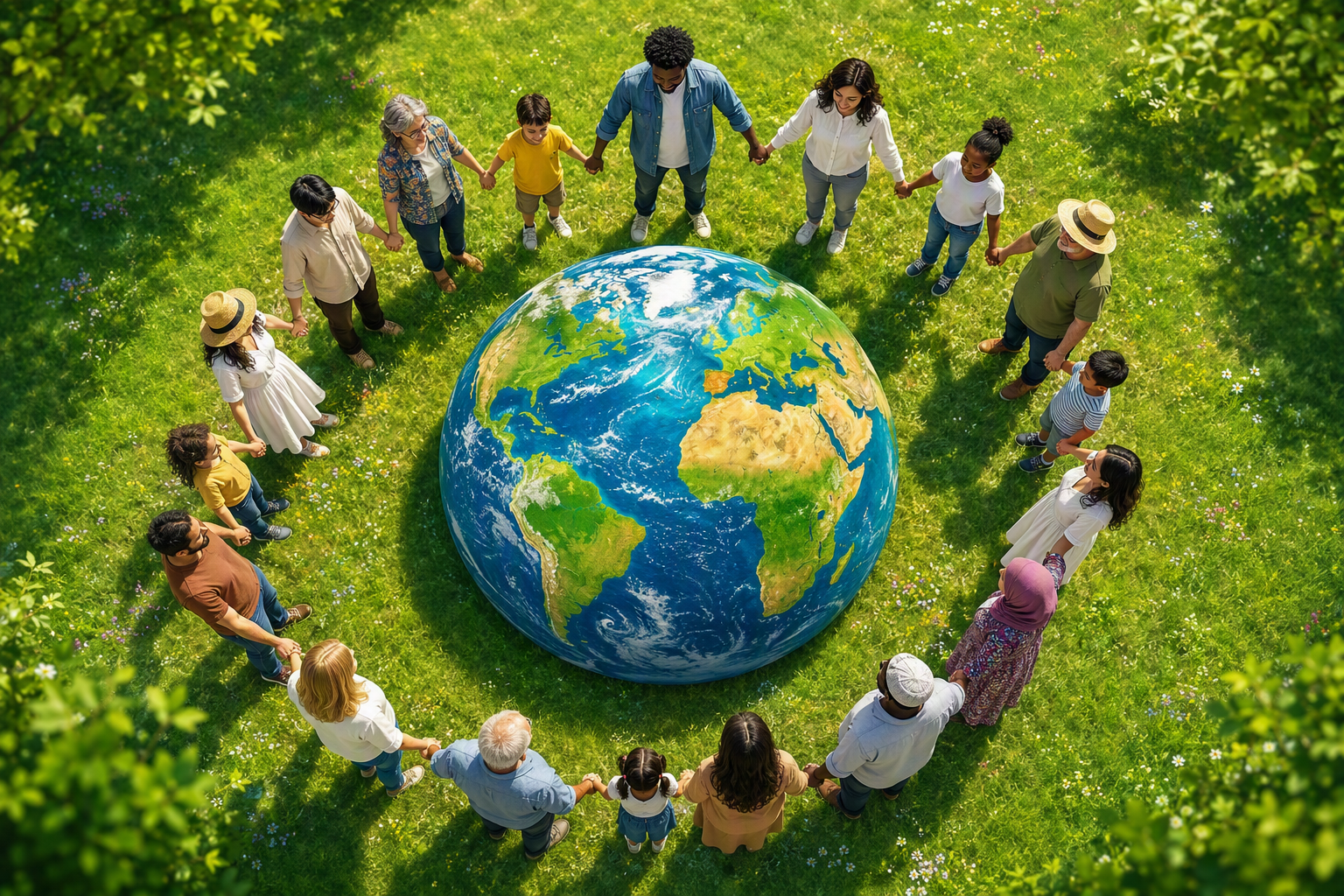
- Communities, schools, and families can work together. Small changes from each of us can lead to big progress for all.
Introduction
Climate change can feel like a big problem, but it is close to your daily lives. You see the effects of climate change when there is extreme weather, when there is more stress on natural resources, and when people, animals, and our communities face more risk. The good thing is that you do not have to change your life a lot to help. You can get into small and useful habits. When you make better choices at home, when traveling, or with your food, you help take care of the planet. Every small step adds up over time and makes a good difference.
Why Small Steps Matter in Climate Action
Big problems can get better if you work on them again and again. Climate action is like this too. You can start with small changes in the way you live. These can lower your carbon footprint. They also help cut waste and make new green habits. These habits will be easy for you to keep doing every day.
Just as important, what one person does will affect other people. If you air-dry your clothes or use reusable bags, it may feel like a small thing. Still, these choices can spread to more people. That is the way small steps from individual actions can lead to big changes in lowering climate impact. The next parts will show where this impact starts.
The Power of Individual Choices
The way you live each day changes more than just today. The things you do matter in how much energy you use, the waste you make, and the carbon footprint your home leaves. Even small changes in your routine can lower gas emissions like greenhouse gas emissions when you do them all the time. Your individual actions can help the world feel less impact from gas emissions.
Think about things like laundry, food, travel, and shopping. When you wash clothes in cold water, save leftovers, or buy things second-hand, you use less extra stuff. Doing these things also helps lower carbon dioxide and gas emissions that come from making, moving, and throwing away products. One action may feel small, but if you do it every week, it starts to mean a lot.
There is also a ripple effect that comes with climate action. When you take small steps that help the planet, your friends and family see what you do. This makes it more normal for more people to do the same things. These small personal choices can protect wildlife, help communities, and be good for future generations. They also show everyone that action is possible right now.
How Daily Actions Reduce Carbon Footprint
The best way to begin is to look at what you do every day. There are many simple actions that can help you lower your carbon footprint. You do not have to be perfect. Your habits just need to work for you and help you use less electricity, less water, and fewer things. These changes do not make life hard. They make it better for you and all of us.
You can make a difference by making some simple everyday choices. These choices help to cut down greenhouse gases. They can save energy when you heat water, run your devices, drive your car, and even when you deal with your food. So, the things that you do every day will help fix the problem instead of making it worse.
- Wash laundry with cold water. This can help lower energy use.
- Air-dry clothes. Do not use dryers because they need a lot of energy.
- Unplug devices or turn off power strips when they are not being used.
- Save leftovers and plan meals. This will help you cut food waste.
- Carry reusable bottles and bags. This is a good way to cut down on plastic waste.
Collective Impact – When Communities Join In
Change moves faster when people work together. Collective action lets neighborhoods cut waste, clean public spaces, and build sustainable practices that last much longer than if one person did it alone. A community cleanup clears trash and helps people see what shared work looks like.
Local efforts help local businesses grow and in turn, help people feel closer to each other. Farmers’ markets, second-hand shops, and links between good business ideas make it simple for people to shop in a better way. When you choose like this, there will be less impact from transport, better use of things, and money stays in the local economy.
There is also a quality of life benefit. Cleaner parks and healthier streets make a place feel better. Greener spaces help make our neighborhoods a good place to live. When people in the community take action together, what they do can be seen and done again. It also gets easier for the next person to try it. This is how awareness turns into real climate action.
Simple Everyday Habits for the Environment
You do not have to buy pricey tools to help the planet. Some of the best simple actions start at home. The small things you choose to do each day shape your carbon footprint. When you use less energy, create less waste, and are careful with what you throw out, you help the earth. All these little things matter.
These habits help to lower greenhouse gas emissions as time goes by. Using less energy leads to less gas emissions because there is not as much need for power. When you cut food waste, you stop extra pressure on land use and landfills. In the next sections, you will see some easy changes that you can start with today.
Saving Energy at Home
Home is a good place to start climate action. You can make small changes and new habits to help with energy efficiency and lower your energy consumption. This will not make your day any harder. A lot of these ideas save you money on your bills too. That makes it easier to keep doing them.
Start with things you can change every day. Wash your clothes using cold water. Unplug any devices that you are not using. Try not to waste electricity by leaving things on standby. If you use air conditioners, make sure to keep your home well insulated. Use your air conditioners with care so you do not have to keep them on all the time.
- Change out your old bulbs for led light bulbs.
- Use power strips. You can turn off several things at the same time.
- Wash your clothes with cold water, not hot.
- Try to not use air conditioners when you do not need them.
- Let your clothes air-dry instead of putting them in a dryer.
These steps show how small changes in your home can help with climate action.
Reducing Single-Use Plastics
Plastic is all around us, so it can be easy to not notice it. But making and getting rid of plastic waste takes a lot of energy. It can cause a lot of pollution on land and in water. Cutting back on single-use plastics is one of the best things you can do to help take care of the environment.
You do not need to stop using all plastic right away. Begin by changing the things you use a lot. When you shift from using throwaway items to ones you can use again, there will be less waste. This helps lower the need for products that come with harmful chemicals and lots of extra packaging.
- Bring reusable shopping bags with you and do not take plastic bags from the store.
- Carry a refillable water bottle with you each day.
- Use coffee cups, straws, and cutlery that you can use again and again.
- Pick things that have plastic-free packaging if you can.
- Use glass jars again at home for storage.
These small changes help to cut down on plastic waste. They also help you make better choices for the planet each day.
Conserving Water with Easy Changes
Saving water helps with climate action. Water systems use a lot of energy to pump, heat, and treat water. When you use less water, you cut down on this energy use. This helps protect natural resources and lowers pressure on local water supplies.
The good part is that these things are simple to do. You can make a change by doing small things in the bathroom, kitchen, or garden. These steps do not need you to have special skills. You just have to pay more attention to your water usage.
- Take shorter showers.
- Turn off the tap when you brush your teeth.
- Fix leaks right away when you see them.
- If you can, put in water-saving fixtures.
- Use a rain barrel to collect rainwater for garden use.
Using less water at home is a good way to help with climate action. This small change can make a big difference in how we use the earth’s resources.
Eco-Friendly Kitchen and Food Choices
Your kitchen has more effect on the climate than you may know. Food waste, food scraps, food transport, storage, and how you throw away food all add to greenhouse gases. This is why cutting food waste, using food scraps in smart ways, and being careful about what you eat can really help the planet.
It is a good idea to eat local food when you can. Adding more plant-based foods to your routine also helps. These choices often use less resources and make less greenhouse gases. The next parts will talk about some food habits you can try at home that work well.
Benefits of Eating Local and Plant-Based Foods
What you eat has a direct effect on your carbon footprint. Making red meat creates a lot of greenhouse gas emissions and uses a lot of resources. If you add more plant-based foods to your meals, you can lower gas emissions from your food. You do not need to go fully vegetarian to make this change.
Eating local can help with food waste. When you buy from farmers’ markets, farm stands, or local suppliers, you support local businesses. You also feel more connected to the food that is in season. This makes you think about what you buy. In the end, it can help you use more of your food and throw away less.
- Try one new plant-based meal each week.
- Cut down your portions of red meat slowly over time.
- Buy fresh fruits and vegetables that are in season from local sellers.
- Pick local options when you shop for fruits and vegetables.
- Grow herbs at home. This can help with simple cooking.
These are small changes you can make at home. They help with climate action when you choose food more wisely.
Minimizing Food Waste
Food waste is not just about the meals we do not eat. It also means we waste the water, energy, work, and transport used to make that food. When food scraps go to landfills, the organic matter breaks down and creates greenhouse gas emissions. This includes gas emissions like methane.
You can help cut food waste by planning better and using what you have in your kitchen. This is one of the easiest ways for people to help with climate change. You start with habits you already have at home.
- Save your leftovers and make a new meal with them.
- Buy only what you think you will use.
- Try to cook smaller amounts if you can.
- Keep food stored in the right way so it can last longer.
- Add fresh ingredients to your leftovers so you do not have to throw them away.
When you throw away less food, you help save resources. This also helps cut down on the gases that come from getting rid of food.
Composting at Home for Beginners
Composting is a good way to go after you start cutting down on food waste. Instead of letting food scraps end up in landfills, you can use composting to turn that organic matter into rich dirt that helps the soil and plants grow. This step also keeps methane from building up as food waste breaks down.
You do not need to have a big yard to start. People do composting in backyards, small outdoor places, and in community gardens. Some places also give you food waste collection. The goal is simple: keep good things in use instead of tossing them away.
- Collect fruit and vegetable scraps in a small container.
- Add compost to the soil for garden use.
- Check if a community garden will take food scraps.
- Use finished compost near herbs or native plants.
- Start small. Build the habit as time goes on.
Composting is one of the best small changes you can make at home. It helps take action on climate over the long term.
Greener Homes and Living Spaces
A greener home helps you save money. It also cuts down on energy use and helps support renewable energy. When you make your home better in small ways, you make it healthier and more useful to live in. Even small steps can lower environmental impact as time goes by.
That can be choosing energy efficient appliances. You may also think about solar panels. Bringing nature into the home with indoor plants and kitchen gardens can help too. Each of these steps helps your home use its resources in a better way. Let’s see some good and easy ways to make this happen.
Choosing Energy-Efficient Appliances
When you need to get something new for your home, pick things that are made for energy efficiency. If you choose appliances that use less electricity and water, your bills can go down. You also help cut down on greenhouse gas emissions. This is one of the easiest long term changes you can make because you feel the benefit every single day after you buy it.
Lighting is a great example. Led light bulbs use less energy than traditional incandescent bulbs. They also last much longer. Simple things like power strips can help too. They cut down on extra power use from electronics when you’re not using them. If you use air conditioning, better systems and smart use can help you waste less energy.
| Home item | Better choice | Climate benefit |
|---|---|---|
| Light bulbs | led light bulbs | Use less energy and last longer than traditional incandescent bulbs |
| Electronics | power strips | Reduce wasted standby energy |
| Cooling systems | efficient air conditioning use | Cuts unnecessary electricity demand |
| Large appliances | energy efficient models | Lowers daily energy use and water use |
These choices show how you can take climate action in your home.
Adopting Renewable Energy at Home in India
One thing people can do at home is support renewable energy. The switch from fossil fuels to cleaner power helps cut greenhouse gas emissions. A strong example is using solar panels. Many homeowners pick solar panels to lower gas emissions and use less fossil fuels.
In India, the idea is important. This is because the outline talks a lot about home adoption there. People can put solar panels on their homes or pick a renewable energy company. Doing this can help people in India use less dirty energy. If people cannot do these things, they can still help by taking part in community renewable energy projects. This will also do good for all.
This might not feel like something people do every day, like saving water. But it comes from the same way of thinking. Try to use less, waste less, and pick cleaner ways to do things when you can. In the long term, renewable energy can really help cut down household emissions.
Growing Indoor Plants and Kitchen Gardens
Plants can make your home feel calm. They also help you feel closer to living in a way that is good for the earth. Indoor plants and kitchen gardens let you take care of something that grows. You start to use compost and think more about how food is grown. A windowsill can be a good place to start, too.
If you have some outdoor room, it is smart to pick native plants. Native plants use less water. They do not need much care. These plants can help local wildlife, and they help pollinators too. This way, your home becomes part of a better and healthier place for the local area.
- Grow herbs in small kitchen gardens.
- Use compost made from food scraps as organic matter.
- Choose native plants for yards or balcony containers.
- Avoid harmful chemicals and unnecessary insecticides.
- Create spaces that help local wildlife and pollinators.
These are small and easy things you can do. They help your space feel more green. They also help you feel closer to the world outside.
Climate Action through Transportation Choices
The way you get around has a big effect on carbon emissions each week, especially if you drive often. If you use public transport, walk, ride a bike, or share a car with others, you can use less fuel. This also helps cut air pollution and brings down the number of cars on the road. All these things are good for the climate and for public health.
Not every trip will change, and that is fine. The important thing is to look at your short, everyday travel first. The next parts talk about how smarter travel choices can help with climate action in real ways.
Walking, Biking, and Public Transport
One of the easiest things people can do each day is to think again about short trips. Public transportation, walking, and biking use less energy than driving alone in a car. These ways also lower the need for fossil fuels and help cut air pollution in busy places.
These options can be good for you as well. Walking and biking help you move more during the day. Buses and trains usually cost less money than parking or gas. If you live in a place with good public transit, switching to it can be easy instead of feeling like you are missing out.
- Walk to do nearby errands or when you take kids to school.
- Bike when the trip is safe and not too long.
- Use public transportation for work or your usual travel.
- Pick walking instead of driving for some short trips.
- Put errands together in one trip to stop extra travel.
Making small changes to the way we get around can help cut down on the amount of gases we put in the air. These little steps also help us build good habits as time goes on.
Carpooling and Ride-sharing
Sometimes people have to drive, but going alone is not the only way. Carpooling and ride-sharing help lower the number of cars on the road. This can cut down carbon emissions and help reduce air pollution in busy areas. Going together is very helpful for work, school, or any trip you take often.
This way of thinking helps climate action feel more social and easy to do. Instead of telling everyone to stop using their car, it asks people to use cars in a better way. For most, that is an easier first step to take.
- Share your school or work ride with neighbors or people you work with.
- Plan carpools together for your weekly plans.
- Use ride-sharing when many people need to go somewhere at the same time.
- Work out when to pick people up, so you do not drive the same route twice.
- Ask people to travel in groups for events and community programs.
Having fewer cars to move the same number of people means the travel footprint will be smaller.
Tips for Reducing Travel Emissions in India
Cutting travel emissions in India starts with one main idea. We need to move people using less fuel and making less waste. Public transit, shared rides, and smart trip planning are good ways to lower these emissions in cities and busy towns. These steps match well with bigger talks about climate finance and cleaner ways to get around.
Electric vehicles can help when they are there, mostly if the power they use is clean. Still, the first place to look is not always to buy a new car. It is better to use what you have for travel and to cut down on trips that are not needed.
- Use public transit when it works for your way.
- Walk or use your bike for trips around your area.
- Share your ride with others to cut down on driving the car extra times.
- Think about getting electric vehicles if you want a new car later.
- Make a plan so you can do more things in one trip.
These ideas are important in India, the United States, and many other places. The way people travel has a big impact on carbon emissions everywhere.
Creative Ways to Spread Climate Action Awareness
Awareness is important because people feel more sure about what to do when they know and understand the issue. Climate change can look far away or too hard to understand for many. Creative ways to talk about climate change make climate action feel real, close to us, and something we all can do. That is why art, posters, and public messages are helpful for this.
Art that focuses on climate change can help people see what climate change science is trying to say. It can make the idea feel real and easy to remember. This art can get people talking at school, at home, and when they are online. The next parts will give you ideas you can use to help get others thinking about this.
Climate Action Drawings and Poster Ideas
Yes, you can make climate action drawings or posters, and they do not have to be hard. The best ideas use a clear picture to show things like waste and reuse, dirty streets and clean ones, or a gray world and a green one. Pictures work well when you keep the message simple and clear.
Think about moments from daily life. A reusable bottle, a bike ride, someone planting a tree, or a house with solar panels can show what practical climate action looks like. Use these images with clear and simple messages that people will get right away.
- Draw the Earth with things you can use again around it, not trash.
- Make a poster that shows people walking, riding bikes, and using public transport.
- Show food waste turning into compost that can help a garden grow.
- Put plastic bags and reusable bags side by side in one image.
- Show how small things people do at home can help make a healthier planet.
Strong climate change posters show that we can all do something. They help people feel that change is possible, not far away. These posters make it clear that climate change is important to the people, and there are steps we can all take now.
When people see these posters, they feel more ready to act. They know that their actions add up with what other people do. This feeling helps push people to do good things for the environment. A simple climate change poster can power big change.
Powerful Messages for Inspiring Others
A good poster message needs to be short. It should give hope. It also has to be easy to remember. Do not talk just about fear. Use words that invite people to do something. People feel ready to respond if they think what they choose matters. This is how strong messages help make climate action a normal thing for all.
You can talk about shared goals in your message. You may speak about future generations, a healthier planet, or the Paris Agreement. These things can add more meaning to what you say. At the same time, your message will not feel too serious. Keep your words clear and make your tone feel good and encouraging.
- Take small steps today for a cleaner tomorrow.
- Help protect the planet for future generations.
- Waste less and live better.
- Pick climate action for a healthier planet.
- Your daily choices matter.
The best message is the one that makes someone feel inspired. It can push people to take real steps after they read it.
Real Examples of Climate Change Artwork from India
If you want to feel inspired, look at art about climate change that shows daily life near you. In India, some good examples are art showing heat, flooding, drought, or how the land and farming change because of climate change. You can also find art showing the effects of climate change on people’s houses and areas. Art has more power when people see things they know and feel from their own world in it.
You can also look for works that focus on indigenous peoples, local wildlife, and how strong the community is. These views often show how climate change can impact culture, the land, and what people do each day, not just the weather. This makes the message feel more real and mean more to us.
If you want some ideas, you can look at school exhibitions, community events, environmental campaigns, and online galleries that connect to climate action groups. Art that is about extreme weather, land use, or things that help people know more can help you find good ideas for your posters or drawings.
Engaging Kids and Schools in Climate Solutions
Kids and schools can help with climate action in a big way. A lot of habits start when we are young. When children learn how to waste less, save things like water, and keep places clean, they take these lessons to heart. The habits stay with them as they grow. This is one way to make long term changes for the climate.
Schools help spread good habits in families and communities. A class project, an art event, or a cleanup lets children learn and also make a real environmental impact. The next parts will show how kids can take part in ways that feel good and suit their age.
Fun Projects for Preschoolers and Primary Schoolers
Teaching preschoolers and primary schoolers about climate change really helps. It shapes how they act from a young age. Kids learn by doing things. When they try simple routines again and again, these actions feel normal to them as they grow up. These steps give a strong base for climate action in their lives.
The best things to do are hands-on and feel good. They should let kids see how what they do each day can help the planet. Fun projects work best. These keep things clear and not too much for them, so kids do not feel scared.
- Plant herbs or flowers in small containers.
- Sort reusable items from trash in a classroom game.
- Create drawings about saving water or using less electricity.
- Start a simple leftovers or lunch waste awareness chart.
- Join a school cleanup of a play area or garden.
These projects show kids that climate change is about real choices. They help children see that even when they are young, what they do matters.
Organizing Climate Art or Drawing Competitions
Art competitions give kids a fun way to join climate action. They do not have to write long reports or give big talks. With climate art and drawing contests, children can show what they see. They can share what worries them. They can show the small changes they think will help.
These events help the whole school know more about what is going on. There can be posters on walls, shared displays, and prize presentations. These things start talk between parents, teachers, and other students. Because of this, the artwork gets seen long after the competition.
- Pick themes like save water, cut plastic waste, or greener travel.
- Ask students to show small changes they can do at home or school.
- Put entries up in hallways or other places people from the community go.
- Add short captions to tell what each idea is about.
- Celebrate messages that focus on action, not just on how good the art looks.
This lets kids take part in climate action. It feels real to them and helps them feel strong and in control.
Teaching Kids Simple Green Habits
The main goal is not just one school project. It is to help kids build simple green habits. These are things they can do in their daily lives. When kids learn these routines early, they are more likely to keep doing them as they grow up. This can lower environmental impact over time. It can also help guide the people around them.
Keep the lessons practical. Kids learn well when they can see what you do and try it for themselves. Show them how they can save things, make less waste, and take care of the places everyone uses. Simple and clear steps help more than just telling them about problems.
- Turn off taps and lights when you do not need them.
- Carry bottles or lunch containers that you can use again.
- Try not to waste food during meals and snacks.
- Walk with your family for short trips if you can.
- Help water plants and look after the school gardens.
Teaching these habits helps future generations by making climate action something people do every day.
Building Sustainable Communities Together
Lasting progress often comes from people working together. Sustainable practices are easier to keep up when neighbors, schools, and local groups help each other. This is why it is important for them to act as a group. When people work together, good ideas become real habits that others can follow.
Collective action helps make good things happen that people can see and follow. When people work together, they make a bigger difference. This can be for things like less waste, better public places, or giving help to shops nearby. Shared effort keeps things moving forward. The last parts talk about how this works in real life.
Group Initiatives for Local Impact
You do not need a huge budget to start communities. The best group work is often simple. It is easy to see and do again. A cleanup in your neighborhood, a place to collect compost, or planting trees can make a big difference close to home. These ideas also help the people feel good about their area.
These projects help people see land use and sustainable practices in a new way. Shared spaces will be cleaner and better for everyone to use. People also take better care of them. This brings the community together. It also cuts down on waste and makes the environment better.
- Set up cleanup events in parks or on the street for the weekend.
- Make spots in the area where people can drop off food scraps or start to compost together.
- Help out at local markets and join in on second-hand item swaps.
- Plant trees or native plants in places everyone uses.
- Be part of park volunteer groups that meet often to take care of these spaces.
These are good small steps that communities can take for climate action. They are easy to do and people can see their effect.
Celebrating Success Stories Across India
Success stories are important because they show that climate action can happen in real places. They are not just ideas or plans. In India, people have taken many steps like cleaning their areas, cutting food waste, planting local trees, and helping use more renewable energy. These examples let people see what works. They also help people understand why taking action is important.
They also tell us that climate action is not just about emissions. It helps us live better, too. Cleaner neighborhoods, healthier places outside, and using what we have in a smart way can make our daily lives better. This makes it easy for people to see the good things and support these changes.
Stories that talk about indigenous peoples and local knowledge are very important. They can show the old ways that people use to care for the land, water, and the world around them. When a community shares these efforts, they feel proud. It also helps good ideas spread, and more people feel like they can join in.
Conclusion
To sum up, taking climate action does not have to feel scary. Even small and steady steps can help make a big change. The choices you make every day matter. When you use less plastic, save energy, or talk to others about climate, you help build a healthier planet. You can get your friends, family, and people in your area to join in. This will make more people take action, and the effect will spread. Remember, every little thing you do counts. If you want to get started, you can do it today. We can work together for a better future and make the world safe for all, now and for the next generations.
Frequently Asked Questions
What are three easy steps I can start with today for climate action?
Start with three simple actions to help with climate action. Wash your clothes in cold water. This will lower energy use. Save your leftovers to cut down on food waste. Take shorter showers to use less water. These are easy to do. You can start them today. Soon, they will feel like part of your everyday routine.
How does climate action benefit local communities in India?
Climate action helps people and places in India. It does this by using sustainable practices. These steps help cut down waste. They make shared spaces better. They also help protect important resources. These changes can make the quality of life go up. They bring neighborhoods closer. They can create stories of good work that show others what can be done. More people might see these changes and want to get involved with simple ways to help their area.
Where can I find inspiration for climate change themed art or posters?
You can get ideas from school displays, community events, environmental campaigns, and galleries online about climate change. Look for art and poster themes that show climate change science in simple and clear pictures. The best pieces help people understand by linking big problems to what they do every day.

