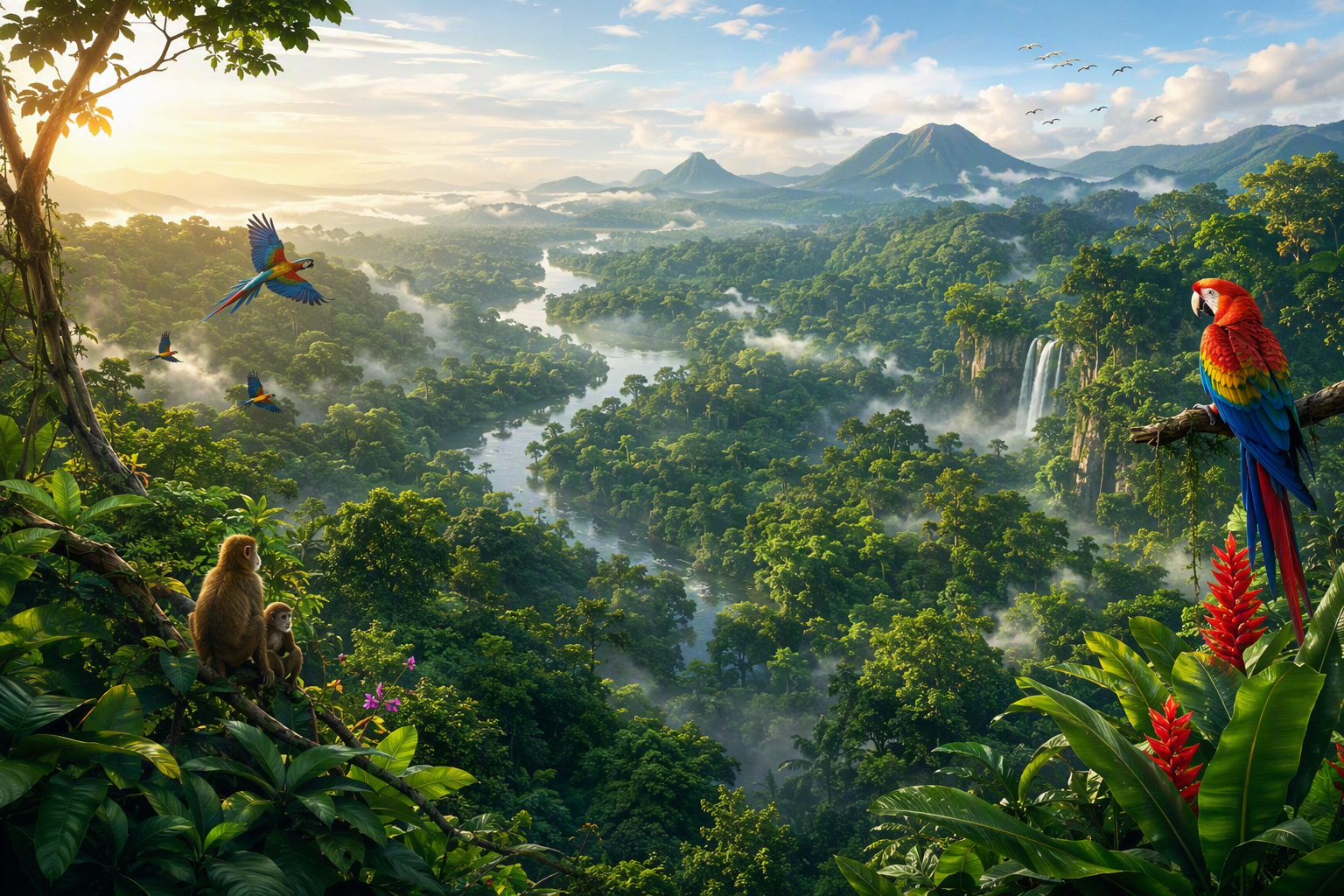
Key Highlights
- Forest ecosystems are homes for many types of life because they have a lot of different habitats. There are many layers in the trees and also many tree species.
- When forests are healthy, they give us important ecosystem services. These help with water balance, keep the soil safe, and also keep climate regulation in check.
- There are zones such as tropical, temperate forests, and boreal forest. Every one of these has its own types of life and a lot of species diversity.
- Biodiversity loss gets worse when there is deforestation, pollution, forest fragmentation, or climate change.
- Big and old trees, dead wood, and the way a forest is set up in nature all help keep forests strong. These also make good places for animals to live.
- Good forest management and also strong conservation efforts are important. They keep forest ecosystems healthy for people, wildlife, and all life that needs them.
Introduction
Forests are not just areas with trees on the earth’s surface. They give a home to many plant species and animal species. They also help manage water, store carbon dioxide, and make the land better in many ways. When forests are healthy, they help plants, animals, and nature work together. This makes the land strong and good for all life. If you want to know why good nature and life matter, look at forests. They connect the climate, the soil, the water, and all life.
Understanding Forests and Biodiversity
Forest ecosystems are living systems with tree species, plant species, animals, fungi, microbes, soil, and water. All of these work together. They make the right space for a variety of life. They also give us many ecosystem services.
In science, people use the word biodiversity to talk about how many types of genes, species, and habitats are in a unit area. The way a forest is made matters too. A forest that has lots of layers of plants, old trees, and a strong forest floor will have more living things. A place with less variety will not have as much life in it. The next parts will explain these ideas in a simple way.
Definition of Forest Ecosystems
A forest is more than a place with lots of trees. Forest ecosystems are large natural areas. In these places, tree species and plant species live with many animals, small living things, and fungi. They all mix with the soil, water, and climate conditions that are there. The way these things join together helps the whole system run.
If you look close, you can see how things are set up in the forest. The top layer is called the canopy, where the trees reach high. Below that, some layers stay in the shade. At the bottom, there is the forest floor. On the forest floor, you will see leaves, moss, litter, and things that are starting to break down. Every layer has its own types of life. This helps keep the diversity of species in the forest strong.
This idea matters because it tells us forests act as one big network. They are not just a bunch of separate spots. A healthy forest floor and old trees that stay in place help make homes for many animals and plants better. This is why forest ecosystems help many kinds of life to live, move food and nutrients around, and keep nature in balance for many years.
Scientific Meaning of Forest Biodiversity
Forest biodiversity means all kinds of life you can see in a forest. This includes genetic diversity, which is when there are different traits within one type of plant or animal. Forest biodiversity also means species diversity, or the many different plants and animals living there. It also includes biological diversity, or the way all the different homes and jobs in the forest work together.
You can think of this as how many lives there are in a unit area. But it is not just about counting groups. People who study this also look at how different living things work as one. They look at how the number of them goes up or down over time. They also watch how steady their links to each other stay over many years.
This is important because when there is high forest biodiversity, the forest can deal with stress better. There are many kinds of genes, types of animals and plants, and different habitats in the forest. These things help the forest bounce back after something happens. They also help keep ecosystem services running. So, when people want to protect biodiversity, they are trying to keep the living systems that help forests work well.
Importance of Biodiversity in Forests
Biodiversity keeps forests strong. When there is a bigger variety of life like plant species, fungi, insects, birds, and mammals, they stay connected in the forest. These connections make ecosystem productivity better. They also help forests get back to normal after tough times, sickness, or changes in the seasons.
The variety of species is helpful for local people and many forms of life. It keeps food webs working, gives us clean water, and provides useful plants. It also gives stable places for animals and plants to live. People who need these things benefit as well. In forests, variety of species matters a lot. Many people still live off the land, so their lives are tied to nature.
- Greater biodiversity helps animal species and plants keep more steady and lasting groups.
- A bigger variety of species makes things like pollination, seed spreading, and moving nutrients work better.
- Forests with many kinds of life are often strong in how the ecosystem works and how it keeps going over time.
- People in the area get food, game, berries, and things for medicine from these places.
When there is not much biodiversity, the good things we get from it begin to go away. This is why taking care of forest life is very important. It helps nature and also helps us in many ways.
Types of Forests in India and the World
There are many types of forests in the world. The type you see will depend on the climate, how high up you are, how much water is in the area, and the soil. There are tropical forests, temperate forests, and the boreal forest. Each of these types of forests has its own forest cover. The shape of trees and the species diversity are also different in each type.
India has many types of plants. You will see them in its subtropical, mountain, and cloud forests. There are also a lot of tropical forests. These places are full of many tree species. In these forests, you find important tree species and a lot of medicinal plants. Because of this, these forests have a lot of life and kinds of plants. A humid tropical forest is home to a different kind of life than a cold northern woodland. The next parts will show how they are different.
Tropical, Temperate, and Boreal Forests Explained
Tropical rainforests grow in places where it is warm and humid all year. In these forests, the tops of trees form thick layers that people call canopies. These canopies are full of life. You can find many plants, insects, birds, mammals, and even very small microbes there. A lot of species live in the canopy because it gives them wet and shady spots. Tropical rainforests must have these climate conditions to support all the things that live in them.
Temperate forests go through clear seasonal changes and have moderate weather. In these woods, you can see both deciduous trees and evergreen trees, or sometimes you get a mix of both. The number of animal and plant types in temperate forests is not as high as in tropical forests. But these forests still have many bird species, fungi, and strong food webs. The soil in temperate forests is also good, so plants can grow well here.
The boreal forest is also known as taiga. It is found in cold places. You will see a lot of pine trees here, along with spruce and fir. The number of animals and plants in this place is not big, but each kind is needed and special. In the boreal forest, you will come across moss, peat, and wetlands. A lot of animals in the boreal forest do well in the cold. These forests are very important because they help hold carbon and save fresh water.
Major Forest Types in India: Features and Biodiversity
India has many kinds of forests. The type of forest you see will change with the rain, height above sea level, and the temperature. There are tropical forests in some parts of the country. In other places, you will find montane and cloud forests. Some forests in India show high species diversity. A few feel dry or cool most of the time. This happens because of the time of year or how high the land is.
This text uses species diversity and high species diversity just as needed.
India has many kinds of places with trees and plants. Some forests in the country are full of thick plants. A lot of these forests also have many medicinal plants. There are other forests with important tree species that grow in dry land or high up in the mountains. This mix of forests helps many types of plants and animals to live there. You can also see this change in tree species and living things even when you travel a short way.
| Forest types in India | Key features and biodiversity |
|---|---|
| Tropical forests | Dense growth, warm conditions, high species diversity, many plant and animal forms |
| Subtropical forests | Warm and moderately humid, mixed canopy, resilient shrubs and flowering plants |
| Montane forests | High-altitude forests with changing vegetation across elevation levels |
| Cloud forests | Moist, misty habitats with epiphytes such as mosses, ferns, and orchids |
| Mediterranean-like dry forests | Drought-adapted vegetation, open canopy, hardy shrubs, deep-rooted species |
Unique Characteristics of Different Forests
Not every forest is the same. In some forests, trees grow close to each other. This makes a thick roof and a lot of small plants grow under them. In other places, the forest cover is more open. There is more space and not much grows near the ground. All of this changes how much water, light, and good space there is for the diversity of species that live there.
Large trees make up a lot of old temperate forests and tropical forests. You can see pine trees, spruce, and fir in boreal areas. Dead wood is very important, too. Both dead trees that stand and logs on the ground give shelter to insects, birds, fungi, and other small animals.
- In tropical forests, the trees grow in layers on top of each other. The air inside these forests is wet most of the time.
- Temperate forests lose their leaves during some parts of the year. A lot of dead leaves and branches cover the ground. Some very large trees also grow in these forests.
- Boreal forests mostly have conifers. There is peat mixed in the soil. You can find a lot of dead wood when something in nature changes the forest.
These things help explain why there are many different patterns of biodiversity in one forest compared to another.
How Forests Support Biodiversity
Forests help many plants and animals live and grow. They give shelter, food, and room for breeding. Forests also give safe places for wildlife. A healthy forest has a variety of species. This lets many animal species and other life forms share the area. The forest is home to them all.
Support shifts in many places. Tropical forests have a lot of layers where animals can live. Areas with mild weather help many food chains during the year. Cold places have wetlands, peat, and safe areas for nests. Good forest management is important. It keeps good things like old trees, dead wood, and ties between homes for animals. The next parts will show some of the best examples.
Top Five Ways Forests Sustain Biodiverse Life
Forests help keep life going. They are not just areas with trees. There are complex ecosystems in forests. The ground, the layers of a forest, how water moves, and what happens in nature all join in. This gives many diverse habitats. A lot of plant species and animal species get to live in these forests. You can find forests like this in tropical, temperate, and boreal places.
These habitats are important for complex food webs to work well. In tropical forests, the top parts of the trees give many animals a place to live. In temperate forests, the things that grow in each season help birds, fungi, and mammals get food and other things they need. In boreal systems, wet spots and old trees are good for animals. These places help them breed and find food.
- They build up layers where animals can live, and this is common in tropical forests.
- In old temperate forests, they give places for birds and other animals to make nests, raise their young, and find shelter.
- They keep wetlands and thick moss on the ground in cold, northern areas.
- They help bees and animals that spread seeds so plants can keep growing.
- They keep dead wood and life in the soil, and this helps complex food webs stay strong.
These five things show why the forests are good for all living things.
Interaction between Flora, Fauna, and Microorganisms
Healthy forests need all the plants, animals, and even the tiny life forms to help each other all the time. Trees, bushes, mushrooms, bugs, mammals, and microbes are all in this together. They help food get into the ground. They also play a part in moving seeds from one place to another. When things die, they help turn them back into soil.
Much of this happens on or under the forest floor. In cold forests, things break down slowly. This makes thick layers of litter and moss. In places where it is not too hot or too cold, small animals help move fungi. The fungi are joined with mycorrhizae roots. This helps plants take in nutrients. In warm forests, many animals and insects help pollinate plants and spread seeds around the forest.
These actions help increase ecosystem productivity and keep ecosystem services in good shape. Things like cleaning water, building soil, and how forests grow again all need living things to work together. It’s not only about the trees you see. If these links break, the whole forest gets weaker. It also will not grow or work as well as before.
Real-world Examples from Diverse Forest Zones
Real examples from everyday life help people see forest biodiversity more clearly. In a tropical forest, there is a closed canopy. The trees grow close together, so not a lot of sunlight comes through. This keeps the air cool and moist inside. These conditions are good for pollinators, seed movers, fungi, microbes, and many other living things. A lot of these cannot live in places that have been damaged.
In temperate regions, there is old forest that helps many living things. Forest ecosystems there are home to lots of lichen, birds, and forest hunters. Some animals like salmon also take part in how things get done. These old forests help stop floods and dry periods. This is good for people and for the wildlife that live with them.
In North America, there are many bird species that live in the boreal forests. These forests have about half of all the bird species you can find on this continent. The boreal forests also hold a lot of freshwater. This water is needed by people and animals who live there.
- The inside of a tropical forest gives shade. This helps many plants and animals live and grow in the dark parts.
- In temperate regions, you see complex food webs. There are also many animals that move when the seasons change.
- Boreal zones in north america have lots of wetlands. You can see many birds, much peat, and old trees that matter a lot.
These examples show that the diversity of life is not the same in every place. But it is good to have this in all places.
Ecosystem Services Provided by Forests
Forests are key for people and nature. They give us many ecosystem services. These forests store carbon. They help with climate regulation. They also give us clean water to use. Forests keep the soil safe too. Local people use forest products in daily life.
These good things happen when there is a lot of different life in a place, and when the natural ways of nature are not broken. A forest with many types of plants and animals can clean water better. It can move things that feed the soil, and hold more carbon for a long time. This is more true when large, old trees remain in the forest. To see how all this works, it is good to look at things like weather, dirt, and how people live, one by one.
Regulating Water Cycles and Climate
Forests help with climate regulation. They take carbon dioxide out of the air. Forests work as carbon sinks. They keep a lot of carbon in wood, roots, fallen leaves, peat, and soil. Boreal forests are important because they store much of their carbon below the ground.
They also help shape the way water moves in the world. Tropical canopies keep water in the air and let it out through a process called transpiration. This puts more water in the air, which helps make clouds and brings rain. In places that are not as hot, old forests near rivers can stop floods and keep dry times from getting too bad in their area. Wetlands found up north help clean the water by taking out bad things from it.
This is important now because there are more extreme weather conditions. Forests that stay whole and have many kinds of trees can hold water better. They also help keep the temperature the same and make stress on the climate less. But when forests break down, these things do not work as well. Also, tonnes of carbon can go back into the air.
Soil Fertility, Pollination, and Nutrient Cycling
Healthy forests help keep soil rich. They do this by reusing old leaves and other things found in nature. The leaves, bark, roots, fungi, and tiny germs all help put good things back into the ground. In temperate forests, old leaves fall and cover the forest floor. This is very important because they play a big part in giving the soil what it needs. This cycle is key for the forest to do well.
Pollination is a big job in nature. In forests with lots of different plants, insects and birds help new plants to grow by moving pollen from one flower to another. Also, in tropical forests, animals like mammals, reptiles, and insects spread seeds. This helps trees grow back in new spots on the land.
These processes are useful because they keep soils safe. Roots hold the ground in one spot and help stop soil erosion. When things break down in the dirt, they make the soil better for all plants. If there is no nutrient cycling and no plants are pollinated, new trees and plants grow much slower. Then, the plants there will not stay strong or healthy. The whole living system then loses its way to bounce back and stay busy.
Benefits to Local Communities and Livelihoods
Forest biodiversity is good for people in many ways. It gives us food to eat and clean water to drink. People use things from forests, and they get many natural resources they need every day. These good things are most easy to see in places where the forests are in good shape with lots of different kinds of life.
In many areas, people get food and money from forest products. This can be berries, game, or plants. Old growth boreal forests are important for medicinal plants and help people keep culture. They matter a lot for the life of Indigenous people. A lot of them depend on these forests’ health not just to live but also to work.
Good forest management matters a lot. It helps keep these important things safe over the years. If there is too much cutting of trees, or if things in the forest get too simple, people close to the area lose more than just wood. They can also lose some vital resources, clean water, and their old ways or customs. When you protect the biodiversity in a forest, it helps keep both the ecosystem and the people safe.
Threats to Forest Biodiversity
Forest biodiversity is in danger because people are doing more and the world around us is changing. The biggest problems are cutting down trees, breaking large forests into small parts, pollution, using too much from nature, and climate change. Each thing hurts places where plants and animals live. Because of this, biodiversity loss is getting worse and worse.
These threats damage forests in many ways, but in the end, they have the same effect. There are not as many types of animals and plants left, the forest is weaker, and it does not give as much help to people and nature. When the forest cover gets smaller or looks the same all over, there is not enough for plants and animals to live on. They do not get what they need to live. The next sections will show the main risks in a simple way.
Deforestation and Habitat Fragmentation
Deforestation means taking away a lot of forest cover. People cut down over 10 million hectares of trees each year. A big part of this is because more land is needed for farming, animals, cities, or roads. When the forest cover goes away, many animals and plants lose their home quickly.
Forest fragmentation does more harm to the land. Even if there are some trees left, the forest gets split into separate parts. This makes it hard for animals to move around. It also makes it tough for them to eat, have babies, and change or grow in new ways. The animals that need cool and steady places in the woods are the first to get fewer in number. This is because the edges of the forest get hotter, drier, and face more problems.
Logging can often make things worse because it removes old trees, dead trees, and dead wood. There are many living things that need dead trees and dead wood to live. When logging happens, the area is left with younger trees that all look the same. Because of this, the things that many kinds of plants and animals need in the forest are lost. In short, cutting down forests breaks the living connections that healthy forests depend on.
Climate Change and Invasive Species
Climate change is making big changes in forests. The warming climate makes it get hotter. Sometimes there is more rain, and sometimes there is less. Droughts can also get stronger now. These things can change the way trees grow and spread. They can also change how many trees stay alive.
A warming climate also changes how often fires start. This is clear in boreal regions. In these places, the weather is hotter and dry. So, fires can get worse than they were before.
Seasonal changes are important for temperate forests. These forests need things to happen at the same time every year. If this changes, birds that travel each season may not find what they need. Flowers might not bloom when they should, and pollination may not happen on time. Food for the animals could be missing, too. When the timing is not right, the way the plants and animals help each other gets weaker. This can make the system in temperate forests less stable.
Invasive species can grow fast and spread in forests that already have problems. When a tropical forest is hurt or broken, it is more likely to have trouble with invasive plants, wild animals, disease, drought, and fire. As these problems get worse, the number of species in the area often goes down. Over time, it also gets harder for the forest to heal and grow back. This loss of species diversity can make things even more difficult for forests to recover.
Overexploitation and Pollution Effects
Overexploitation is when people take too many large trees or other forest products from the forest and don’t let them grow back in time. When this happens, the look of the area can change a lot. Habitats become simple and lose things they need. Over time, the forest can lose parts that help keep everything in balance.
Pollution can put more pressure on the environment. Air with dirty stuff in it can be bad for trees. Water and dirt that are not clean can hurt plants, small things, and animals. You may not notice these changes at first, but after some time, they can make forest biodiversity weaker in many areas.
When people use too much of the forests and there is pollution at the same time, it is hard for the forests to get better. The people who live close to these forests may also lose some vital resources. This can be things like clean water, useful plants, and good materials from the land. To keep the forests healthy, people should not put too much pressure on them. It is best to do this before the problem gets too big and cannot be fixed.
Conservation Strategies for Forest Biodiversity
To keep plants and animals safe, people need to do more than just feel sorry for them. There have to be real conservation efforts. A few good ways are to set up protected areas, try better forest management, get the community to help, and use sustainable practices. Doing these things will help make sure that natural habitats are healthy and last a long time.
Sustainable forest management is important. Forests need to support both nature and people for a long time. The law, help from local people, and teams working together all support forest conservation. The next parts will show how these ways of working go well together. They will also tell you why they are needed for a sustainable future.
Protected Areas and Legal Frameworks
Protected areas are good because they keep many types of living things safe. These places stop people from changing the land in ways that hurt nature. They protect old forests and wetlands, so these spots do not go away. This way, forest cover is kept safe and the animals and plants can stay in their home.
We need to keep in mind that just having written rules is not enough. The laws must be strong to control things like how much logging is done, where land can be used, and how to keep habitats safe. These rules help protect large trees, dead wood, and places with fresh water. They help keep everything in nature in the right order. They also make sure the forests stay the way they should.
Good conservation efforts work best when people follow the laws and keep important areas safe. This includes doing things to help forests that are good for nature, have rare plants or animals, hold a lot of carbon, and have water systems that work well. Keeping places whole will be much better than fixing them after they get harmed a lot.
Community-Based Forest Management
Community-based management puts local people in charge of caring for forests. People who live near these areas often need the forest for water, food, vital resources, and their way of life. Because of this, they want to keep the forests healthy and safe.
The information shows that when people from the community look after the forests, the forests are often better at keeping many kinds of plants and animals safe than when the state manages them. This could be because people who live close to the land notice when things are not the same. They can act fast and make choices that fit their local area.
This way of forest management helps people use the land in a smart way, not just for a short time. It can help keep medicinal plants safe. It also makes the home of animals better and keeps the forest good for many years. This helps people get jobs. When you include local people, it makes conservation last longer. It also fits better with what people need each day.
Role of International Agreements in Conservation
International deals help countries have shared goals for forest conservation. Problems like forest loss, weather changes, and fewer living things do not stop at borders. So, people need to work together for strong and long-term forest conservation.
Global reforestation goals and large conservation plans in the world help with this bigger work. They make countries fix land that is hurt. They also ask for more land to be protected. This helps people to look after forests in a better way. All these things help us move toward a sustainable future.
Research access can help people do more. You might use Google Scholar or other sites if you want to read about forest biodiversity. The main idea is this: when countries work together, it matches the science, rules, and money. This makes it easier to keep forests safe. It helps us when there are big problems like this.
Conclusion
Forests play a big part in the health of forest ecosystems and help keep many animals and plants safe. They help with water, make the soil better, and give many people what they need to live each day. But there are big problems like climate change, cutting down trees, and pollution. These things put forests and the life in them in danger. We have to start strong conservation efforts and use more sustainable practices if we want these forests to stay healthy.
When we learn how everything in forest ecosystems works together, we can do more to protect all the different forms of life. This is good for the world and helps those who come after us. If you want to help, you can join local conservation efforts or read more about sustainable practices today!
Frequently Asked Questions
How does the loss of forests impact biodiversity?
When the forest cover is cleared or broken up, there is quick biodiversity loss. Animal species do not have a place to live or breed. Plant species also lose what they need to grow. When the space for both plants and animals gets smaller, the variety of species starts to go down. This means the area won’t have as many species. The whole system is not as strong or healthy as before.
How can we manage forests sustainably for future generations?
Sustainable forest management is about taking care of old forests. It means not using too much from them. It is also about trying to help with conservation efforts and using forest products in a way that lets forests grow back. When forest ecosystems stay healthy and have many kinds of plants and animals, they keep giving us good things. These good things are a better climate, clean water, and ways for people to make money. This way, our children and other people in the future will also have these benefits. The forests will still be there, and they will not run out.
What is the role of forest structure in supporting high biodiversity?
Forest structure plays a big role in how good a place is for wildlife. A canopy with layers, lots of plants in the understory, dead wood, and different tree species all shape the space. These things give many spots for animals and other life to live, eat, and breed. A mix of tree species helps build complex ecosystems. This is good for high species diversity because there are many places for a bigger diversity of life. Dead wood and layers of plants also help the forest become a rich home for many kinds of species.